
When Precision Isn’t Optional, What to Look for in Your Tools
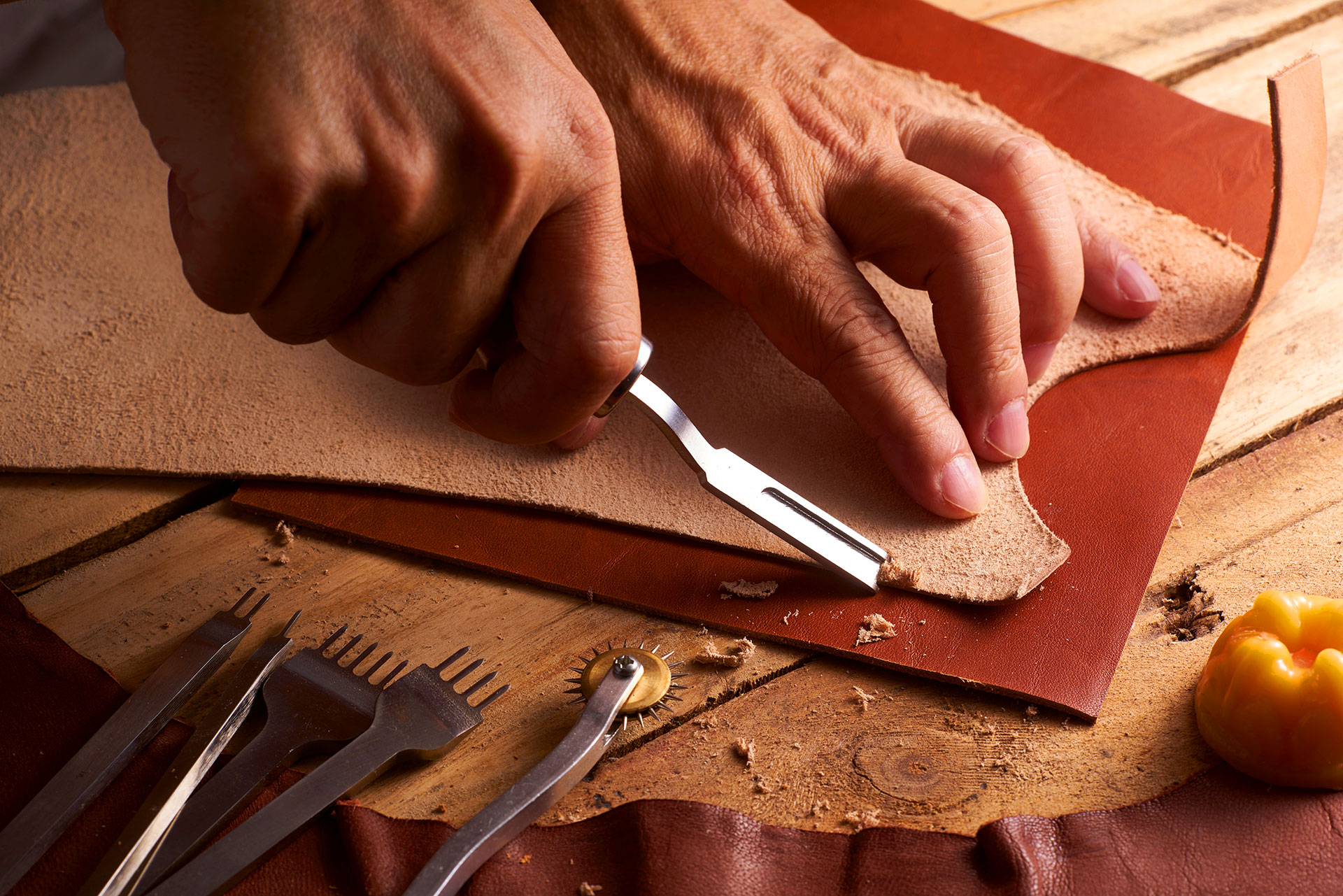
In some types of work, “close enough” is perfectly fine. A minor wobble won’t ruin anything. A soft curve can hide a mistake. But in trades where precision is the backbone, upholstery, leatherwork, and fine detailing, accuracy becomes non-negotiable. Your tools must rise to the standard of your craft.
Choosing those tools is part science, part instinct, and part experience.
Precision Begins With Balance
A tool can look flawless on the shelf but reveal its flaws the moment you pick it up. Balance determines stability, confidence, and how long you can work before your hand begins to protest. The right tool feels centered. It moves with you instead of pulling against you. It helps your wrist align naturally, making every motion predictable instead of forced.
When balance is right, precision feels easier. When it’s wrong, the work fights back.
Smooth Motion Is the Quiet Hero of Accuracy
Precision depends on the movement you don’t have to think about. A hinge that catches, a wheel that vibrates, a joint that stiffens, any of these can throw off your cut or your spacing before you even notice.
Look for tools that offer:
- Steady, fluid movement across repeated passes
- No unexpected friction, hesitation, or vibration
When the motion is smooth, your mind can focus on the craft, not the tool.
Ergonomics Protect Your Precision
A tool that strains your grip will eventually strain your accuracy. Your body compensates when a handle feels awkward or forces an unnatural angle. Over time, those small compensations create noticeable flaws in the work.
The right tool should feel like it belongs in your palm. It should encourage a relaxed hand, steady pressure, and comfortable control. Ergonomics isn’t about luxury; it’s about protecting the accuracy you worked hard to develop.
Build Quality Always Reveals Itself
Precision tools are quiet about their craftsmanship, but you notice it immediately. They don’t rattle. They don’t twist. They don’t gradually loosen themselves apart. Their materials hold shape. Their edges wear evenly. Their performance stays stable across projects.
Durability, in precision work, isn’t just about lasting. It’s about lasting accurately.
Choose tools that deliver:
- Consistent results over months and years, not just days
- Structural stability that never compromises your technique
A well-made tool carries your skill farther.
Conclusion
They become collaborators, extensions of your hand and your intention. They influence every cut, every line, every detail.
If your work demands accuracy, then your tools must reflect that demand. Don’t settle for something that makes you adjust your technique to compensate for its shortcomings. Choose tools that make precision natural, not difficult.