
What Separates Everyday Tools From Exceptional Ones
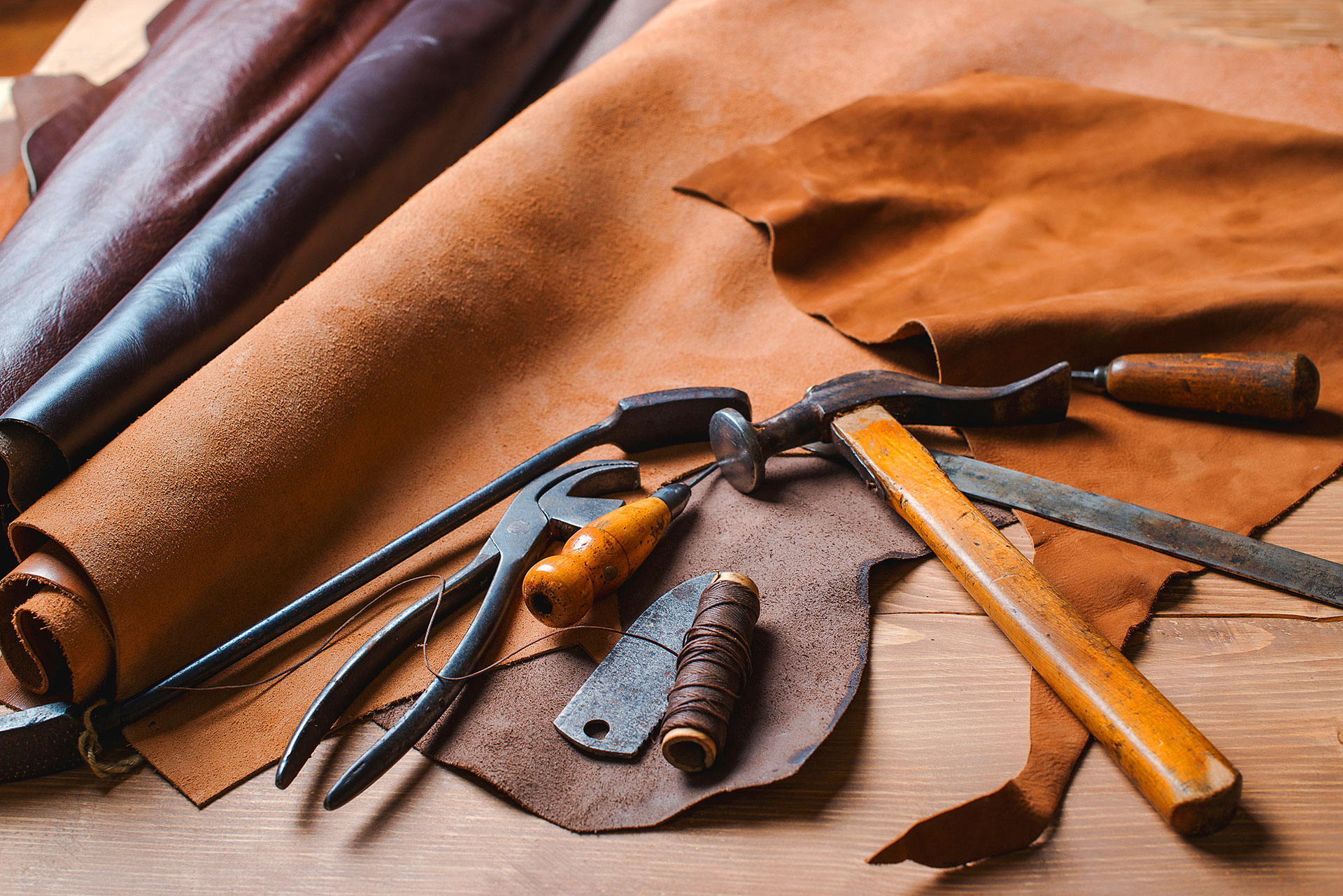
Walk into any well-used workshop, and you’ll notice something. Certain tools get reached for without hesitation. Others sit toward the back, used when nothing better is available, tolerated rather than trusted. The people working there rarely articulate the difference out loud. But they feel it every time they pick something up.
That gap between the everyday tool and the exceptional one is worth understanding. Because it rarely lives where most buyers think it does.
It’s Not Always About Price
Expensive tools disappoint people regularly. Inexpensive ones occasionally surprise. Price correlates with quality more often than not, but it doesn’t guarantee it, and confusing the two leads to poor decisions in both directions.
What actually separates exceptional tools from ordinary ones tends to be more specific. It comes down to three things: material integrity, manufacturing consistency, and how the tool was designed to interact with the human hand using it. These qualities can exist at various price points, though they become easier to achieve when cost isn’t the primary constraint.
Material Integrity Goes Deeper Than Surface
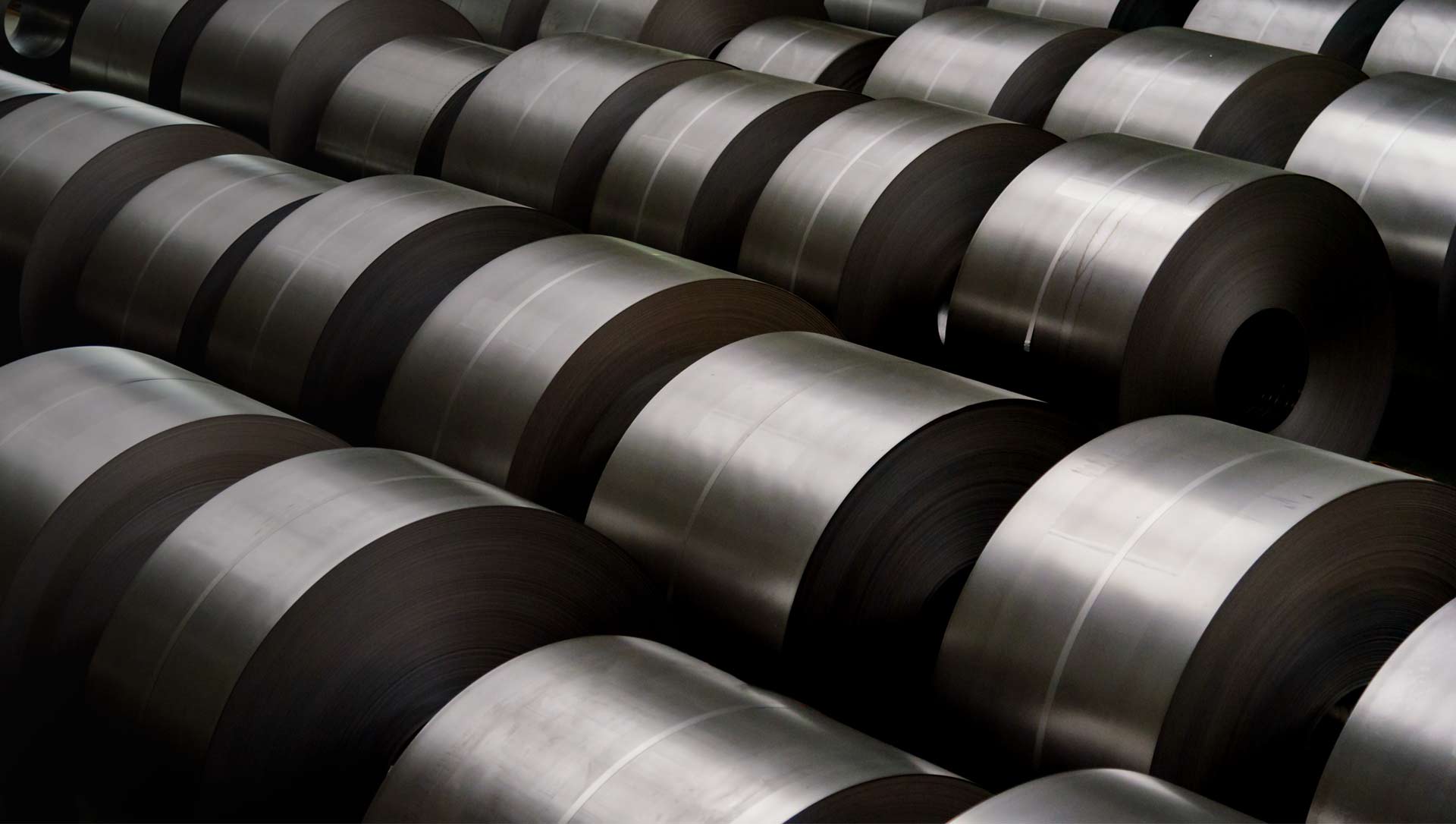
The steel in a cutting tool, the alloy in a punch, the hardwood or composite in a handle, these materials behave very differently under sustained use depending on how they were sourced, processed, and finished.
Exceptional tools use materials selected for the demands of the specific application. A punch tube needs steel that resists deformation at the striking end while remaining tough enough not to fracture at the tip. A cutting blade needs a steel grade that holds a refined edge without becoming brittle. Getting both right in the same piece of steel requires genuine metallurgical attention.
Everyday tools often use whatever material meets the minimum specification at the lowest cost. It works. For a while. Then it doesn’t, and the replacement cycle begins again.
Manufacturing Consistency Is the Quiet Differentiator
Here’s something most buyers never consider: the variance between units matters as much as the average quality.
An exceptional tool manufacturer produces pieces that behave identically across the production run. The tenth punch off the line performs like the first. The blade geometry holds to specification regardless of which day it was made. This consistency requires tighter tolerances, better process controls, and more rigorous inspection.
Everyday tools show variance. Two nominally identical chisels from the same budget range might feel noticeably different. One tracks better. One holds an edge longer. You don’t know which one you’ll get. That unpredictability is itself a form of quality failure.
The Hand Connection That Most Descriptions Miss
Exceptional tools feel like extensions of the hand. This is not poetic language. It describes something functional and measurable.
Weight distribution, handle geometry, surface texture, and the angle at which the working end meets the material all of these determine how much conscious effort the user spends managing the tool versus directing the work. When a tool is designed well:
- Grip pressure stays lower across long sessions
- The tool provides tactile feedback about what’s happening at the cutting edge
- Corrections happen naturally rather than requiring deliberate adjustment
Everyday tools make you work around them. Exceptional ones disappear into the task.
Conclusion
The difference between an everyday tool and an exceptional one isn’t a single dramatic feature. It’s the accumulation of small, carefully considered choices made at the material stage, the manufacturing stage, and the design stage.
Each choice is minor on its own. Together, they produce something that feels unmistakably different the moment it’s in your hand.