

What a Tool Maker Thinks About That a User Never Sees
Most users look at a tool and notice the obvious things: the shape, the edge, the handle, the weight. But tool makers think about a world beneath the surface. They obsess over details that never cross a user’s mind, yet those hidden choices shape the tool’s entire personality.
You see the tool. They see the anatomy, the physics, the future wear, and the unseen forces that shape how it performs ten years from now.
Tool makers live in that invisible layer.
The Hidden Architecture Inside Every Tool
A tool might appear simple, but internally it’s a network of tiny decisions. Tool makers think about how metal fibers align under stress. They think about how to handle flex. They consider how humidity, temperature, and daily use slowly transform a tool over time.
A user sees a blade. A maker sees tension, density, and the geometry that keeps the blade strong before, during, and long after the cut.
This invisible engineering is what makes a tool trustworthy.
The Material Choices You Never Notice
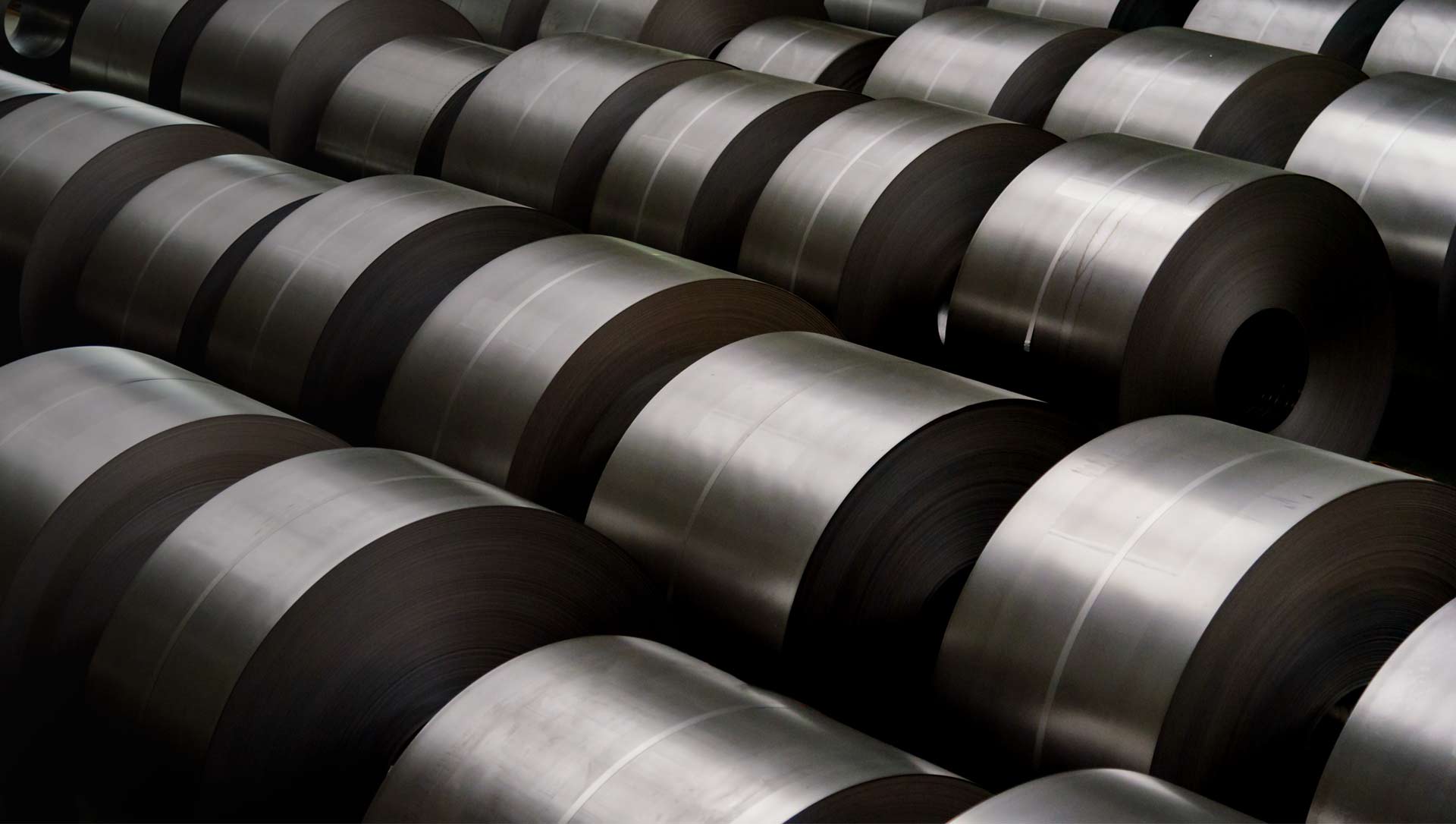
To a user, steel is steel. Wood is wood. But tool makers treat materials like ingredients for a recipe, each one changing the flavor of the final result.
They spend hours considering:
- The hardness of the metal and how it changes during forging
- How much give does a handle need before it becomes uncomfortable
These aren’t aesthetic choices. They’re performance choices. A slightly softer steel sharpens beautifully. A handle with subtle grain patterns grips better. A brass pin in the right spot changes how the tool balances mid-motion.
Users may never know why a tool “just feels right,” but makers know exactly why.
The Micro-Movements That Shape the Tool’s Future
Every tool moves when you use it, microscopically, but constantly. Tool makers anticipate these movements long before a tool reaches your hands.
They understand that:
- Friction reshapes surfaces over time
- Pressure shifts tension inside the metal
- Repetitive angles slowly refine or distort the tool
They design with these future realities in mind, ensuring that the tool ages gracefully instead of falling apart.
Good tools don’t just work well when they’re new; they work well because they were built for their future life.
The Human Element Most Users Never Think About
Tool makers think about fatigue, not just performance. They picture the person using the tool after two hours, how their wrist feels, how their fingers settle on the handle, how their shoulders react to each cut. They make choices that quietly support the body.
A user notices comfort only when it’s missing. A tool maker designs comfort to be invisible.
Conclusion
A user asks, “Does this tool work today?” A tool maker asks, “Will it still work five years from now, and feel good doing it?” They build durability into the joints, precision into the angles, resilience into the materials. Their thinking stretches far beyond the first project. They imagine the seventieth.
And that’s why the best tools feel almost alive: they were built by someone who understood their entire lifespan before they ever touched a workbench.