Leather Crafting Tools: Build a Kit That Lasts a Lifetime
There’s something almost magical about the smell of fresh vegetable-tanned leather mixed with the sharp click of a swivel knife slicing through hide. If you’ve ever held a handmade wallet, belt, or saddle and wondered how it came to life, the answer lies in a small but mighty collection of instruments. Choosing the right leather crafting tools is the difference between frustrating mistakes and pieces you’ll be proud to sign your name to.
Whether you’re stitching your first card holder at the kitchen table or setting up a full workshop, this guide breaks down exactly what you need, why it matters, and how to build a kit that grows with your skills.
What tools do you need for leather crafting?
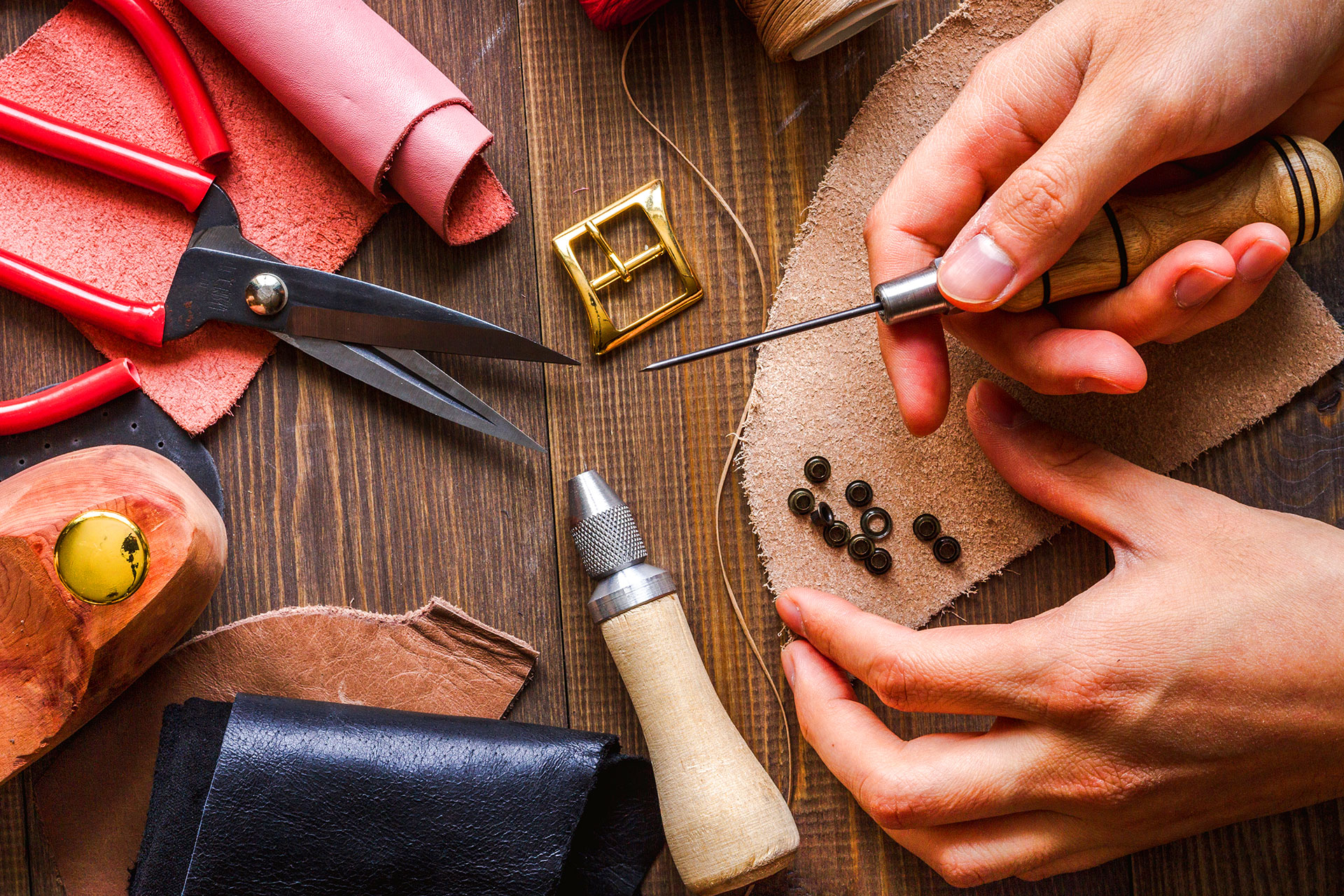
Beginners need a cutting mat, utility or rotary knife, steel ruler, stitching awl, pricking irons or diamond chisels, waxed thread, harness needles, an edge beveler, a mallet, and burnishing tools. These ten essentials cover cutting, marking, stitching, and finishing for nearly every beginner project.
The Core Categories of Leather Crafting Tools
Before you start filling a shopping cart, it helps to understand that leatherwork tools fall into four functional groups. Each plays a distinct role in transforming a flat hide into a finished piece.
- Cutting tools shape the leather.
- Marking and measuring tools ensure accuracy.
- Stitching tools join pieces together.
- Finishing tools polish edges and add character.
Master one group at a time and you’ll avoid the overwhelm that pushes so many hobbyists to quit before they finish their first project.
Essential Cutting Tools Every Leatherworker Needs
Cutting is where every project begins, and dull blades are the fastest way to ruin good leather. Sharp, well-maintained edges give you clean lines and safer hands.
Head Knife (Round Knife)
The classic crescent-shaped blade favored by traditional saddlers. It cuts, skives, and trims with a single tool once you learn the technique. Steep learning curve, lifelong reward.
Utility or Rotary Knife
Perfect for beginners. Replaceable blades stay razor sharp, and rotary cutters glide through thin leather like butter when paired with a self-healing mat.
Skiving Knife
Used to thin out edges before folding or stitching. A good skiving knife transforms bulky seams into elegant, professional finishes.
Marking and Measuring Tools
Precision in leatherwork starts long before the needle comes out. The marking phase determines whether your stitching looks hand-tooled or homemade in the worst sense.
- Steel ruler: Heavier than aluminum and resists slipping.
- Wing dividers: Scribe stitch lines parallel to edges.
- Scratch awl: Marks cut lines without ink.
- Pricking irons or stitching chisels: Punch evenly spaced holes for hand sewing.
Pro tip: Buy the best pricking irons you can afford. The spacing and angle of your stitch holes define the look of your final piece more than almost any other tool in your kit.
Stitching and Sewing Essentials
Hand stitching is meditative once you get the rhythm. The saddle stitch, with two needles working in opposition, creates a seam stronger than any machine lockstitch.
What You’ll Want on the Bench
- Harness needles with blunt tips that slip through pre-punched holes without splitting thread.
- Waxed polyester or linen thread in your color of choice.
- A stitching pony or clam to hold work steady, freeing both hands.
- Diamond awl for opening or angling holes as you sew.
Finishing and Edging Tools
This is where amateur work separates from heirloom quality. A perfectly cut and stitched piece with raw, fuzzy edges still looks unfinished.
Edge Bevelers
These small chisels shave the corners off cut edges, creating a rounded profile that’s comfortable to hold and easier to burnish.
Burnishers
Whether wood, bone, or canvas wheel, a burnisher smooths edges into glossy perfection using friction, water, and sometimes beeswax or gum tragacanth.
Stamps and Mallets
For decorative work, stamping tools paired with a poly or rawhide mallet open up endless creative possibilities, from basket weave patterns to maker’s marks.
Investing in Quality vs. Buying Cheap
It’s tempting to grab a 50-piece starter kit from an online marketplace, and honestly, that’s fine for testing whether the craft sticks. But once you’re committed, upgrading matters. Quality leather tools hold their edges, balance comfortably in the hand, and often outlast their owners. If you’re curious about what separates disposable gear from forged steel that survives generations, this breakdown of tools worth passing down is worth a slow read.
Budget Starter Kit
Rotary cutter, basic chisels, harness needles, waxed thread, wood burnisher, cheap mallet. Total investment: roughly $75 to $120.
Heirloom Bench Setup
Forged head knife, French pricking irons, brass-handled awl, hardwood stitching pony, hand-turned burnishers. A lifetime kit you’ll never replace.
How to Care for Your Leather Crafting Tools
Steel tools rust. Wooden handles dry out. Edges dull faster than you’d think. A few minutes of care after each session preserves both performance and value.
- Wipe blades with a lightly oiled cloth after use.
- Strop knives and awls regularly on leather charged with polishing compound.
- Store in a dry drawer or tool roll, not loose in a damp garage.
- Oil wooden handles with linseed or tung oil every few months.
Frequently Asked Questions
What is the best leather crafting tool for beginners to buy first?
Start with a quality rotary cutter and a self-healing mat. They’re forgiving, safe, and let you focus on learning pattern layout before investing in specialized blades.
Do I need expensive tools to start leather crafting?
No. A modest starter kit under $100 can produce beautiful work. Skill matters more than gear at the beginning. Upgrade individual tools as you identify what you use most.
What’s the difference between pricking irons and stitching chisels?
Pricking irons mark stitch placement and are usually finished with an awl, while stitching chisels punch all the way through the leather. Chisels are faster; irons give a more refined, traditional look.
How often should I sharpen my leather knives?
Strop after every session and sharpen on stones whenever the blade stops slicing leather cleanly with light pressure. A sharp knife is a safe knife.
Can I use regular sewing needles for leather?
No. Standard needles bend, break, and split thread. Use blunt-tipped harness needles designed to follow pre-punched holes without piercing the leather fibers.
What kind of mallet should I use for leather tooling?
A poly, rawhide, or maul-style mallet is ideal. Avoid metal hammers, which damage tool heads and transfer too much shock to your wrist over long sessions.
Building Your Kit, One Tool at a Time
The truth about leather crafting tools is that you don’t need everything at once. You need the right tools, in the right order, cared for properly. Start with the essentials, learn their feel, and let your projects guide your next purchase. Before long, your bench will hold a personal collection that reflects your style, your skill, and maybe even the makers who came before you. That’s when the craft stops being a hobby and starts becoming a tradition.